
body {
font-family: ‘Segoe UI’, Tahoma, Geneva, Verdana, sans-serif;
line-height: 1.7;
color: #333;
max-width: 1200px;
margin: 0 auto;
padding: 20px;
background-color: #f8f9fa;
}
.article-content {
background-color: #fff;
padding: 40px;
border-radius: 10px;
box-shadow: 0 5px 15px rgba(0,0,0,0.05);
}
h1 {
color: #2c3e50;
font-size: 2.8em;
margin-bottom: 20px;
border-bottom: 3px solid #3498db;
padding-bottom: 15px;
}
h2 {
color: #2980b9;
margin-top: 40px;
font-size: 1.8em;
}
h3 {
color: #16a085;
margin-top: 25px;
font-size: 1.4em;
}
p {
margin-bottom: 20px;
font-size: 1.1em;
}
.image-container {
text-align: center;
margin: 30px 0;
background-color: #ecf0f1;
padding: 15px;
border-radius: 8px;
}
.image-container img {
max-width: 100%;
height: auto;
border-radius: 5px;
}
.image-caption {
font-style: italic;
color: #7f8c8d;
margin-top: 10px;
font-size: 0.9em;
}
.conclusion-box {
background-color: #e8f4fc;
border-left: 5px solid #3498db;
padding: 25px;
margin: 40px 0;
border-radius: 0 8px 8px 0;
}
.keyword {
font-weight: bold;
color: #e74c3c;
}
ul, ol {
margin-bottom: 20px;
padding-left: 30px;
}
li {
margin-bottom: 10px;
}
@media (max-width: 768px) {
body {
padding: 10px;
}
.article-content {
padding: 20px;
}
h1 {
font-size: 2em;
}
}
Why “Perfect Fit” Bulbs Matter for Your Car’s Electrical System in 2026
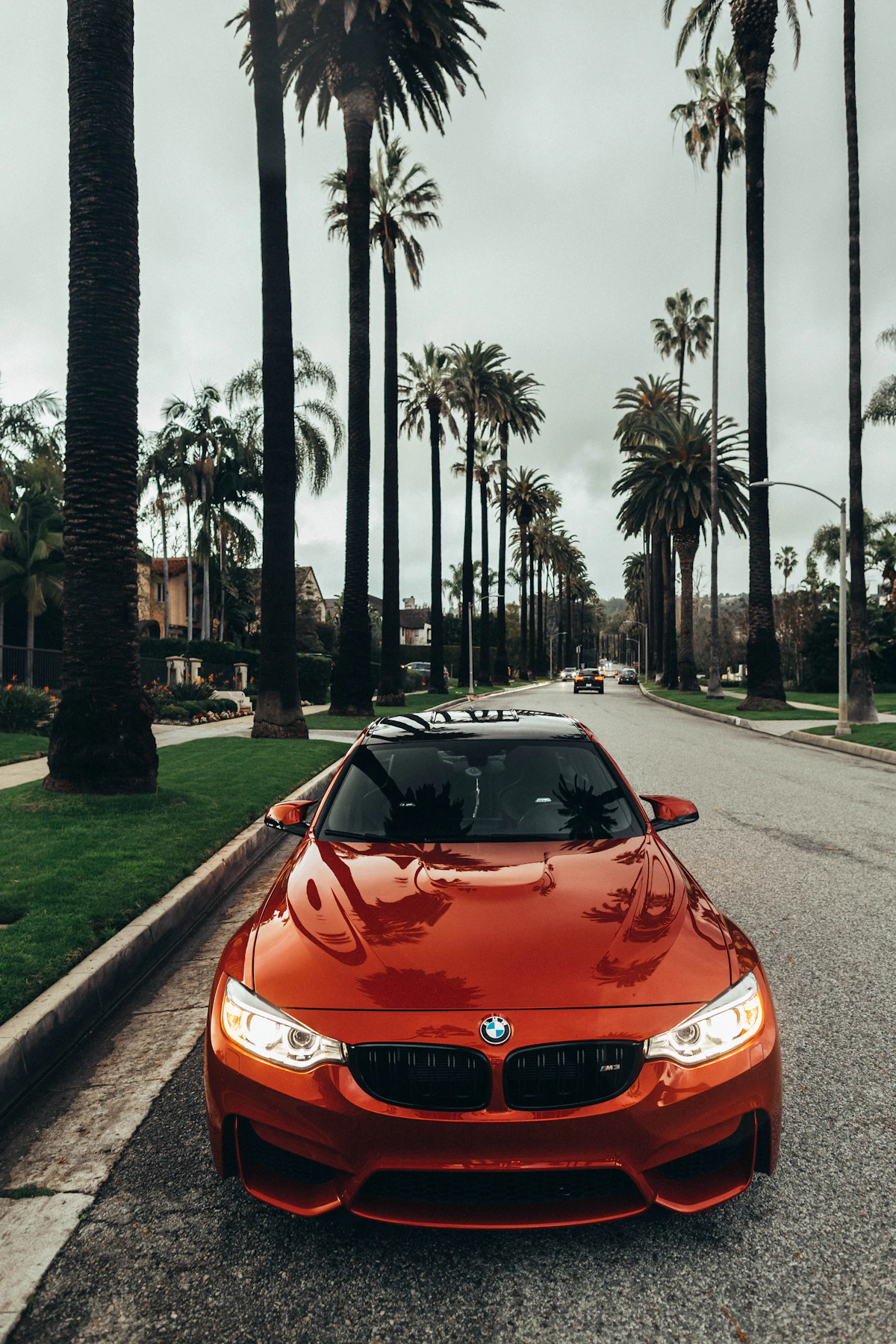
It’s 2026, and your car is no longer just a mechanical marvel—it’s a rolling supercomputer. From advanced driver-assistance systems (ADAS) and biometric access to immersive ambient lighting and vehicle-to-everything (V2X) communication, the modern automobile is defined by its electrical system. In this hyper-connected, digitally-driven environment, even the most seemingly mundane components, like a headlight or brake light bulb, play a pivotal role. The era of grabbing any bulb that “looks about right” from a generic parts bin is dangerously obsolete. Today, we dive deep into the critical importance of the “perfect fit” bulb for your car’s health, safety, and performance.
The Evolution of the Car Bulb: From Simple Filament to Smart Node
Gone are the days when a bulb was just a glass envelope with a tungsten wire. In 2026, automotive lighting is a sophisticated field integrating materials science, electronics, and software. LED (Light Emitting Diode) technology is now standard, but not all LEDs are created equal. A modern “bulb” is often an integrated module with a dedicated heatsink, driver circuitry, and sometimes even a small chip for diagnostics.
These bulbs are no longer isolated components. They are nodes on your car’s Controller Area Network (CAN bus) or other high-speed data networks. A headlight, for instance, doesn’t just receive a simple “on/off” signal. It receives digital commands for adaptive beam patterns, dynamic cornering light adjustments, and communicates its status back to the central Body Control Module (BCM). Using a non-perfect-fit bulb can disrupt this delicate digital conversation.
The High Stakes of Imperfect Fit: More Than Just a Dim Light
Choosing a bulb based solely on base type (e.g., H7, 1156) is a recipe for trouble in 2026. The consequences of an imperfect fit ripple through your entire vehicle.
1. Electrical System Stress and CAN Bus Communication Errors
Your car’s BCM is programmed to expect a specific electrical load (wattage and current draw) from each circuit. A generic bulb with incorrect resistance or power consumption can cause a voltage fluctuation or draw excessive current. This can:
- Trigger Fault Codes: The BCM will detect the anomaly and log a diagnostic trouble code (DTC), potentially illuminating your dashboard warning light.
- Cause BCM Damage: Chronic over-current can overheat and damage the sensitive transistors within the BCM, leading to a four-figure repair bill.
- Disrupt Network Communication: Electrical noise from a poorly regulated bulb driver can introduce interference on the data bus, causing glitches in unrelated systems like your infotainment or keyless entry.

2. Compromised Safety and Performance
Lighting is a primary safety system. An imperfect fit bulb can fail in critical ways:
- Incorrect Beam Pattern & Glare: Headlight housings are engineered with millimeter precision. A bulb whose LED chips are even slightly misaligned can produce a scattered, ineffective beam that blinds oncoming drivers while failing to properly illuminate your own path.
- Thermal Management Failure: High-performance LEDs generate significant heat. Perfect-fit bulbs are designed with integrated heatsinks that match the housing’s cooling capabilities. A generic bulb may overheat, leading to premature failure and, in extreme cases, damage to the headlight’s reflector or lens.
- ADAS Calibration Issues: Many 2026 ADAS, like lane-keeping assist and automatic high beams, rely on cameras. If a replacement bulb alters the color temperature (e.g., too blue) or intensity of light, it can confuse these camera systems, degrading their performance and creating a safety risk.
3. Voided Warranties and Increased Total Cost of Ownership
Vehicle manufacturers and insurers are increasingly data-savvy. If a dealership or insurance investigator can trace an electrical fire or BCM failure to a non-approved, substandard bulb, it could void portions of your vehicle warranty or complicate an insurance claim. The initial savings of a cheap bulb are quickly erased by a single major repair.
Identifying the “Perfect Fit” in 2026: A Buyer’s Guide
So, how do you ensure you’re getting a true perfect-fit bulb? Look beyond the box.
1. OEM Specifications are the Gold Standard
Original Equipment Manufacturer (OEM) parts are guaranteed to match your vehicle’s electrical and physical specifications. While often more expensive, they are the benchmark for compatibility. Many reputable aftermarket brands now produce OEM-equivalent bulbs that meet or exceed these exact specs.
2. Decode the “Smart” Features
A 2026 perfect-fit bulb should offer:
- CAN Bus Compatibility: Explicitly stated on the packaging. It means the bulb includes the necessary circuitry to present the correct electrical signature to the vehicle’s network without causing errors.
- Plug-and-Play Installation: No need for extra resistors, wiring harnesses, or coding. A true perfect fit integrates seamlessly.
- Certified Color Temperature & Lumen Output: Matches the original design parameters for both performance and legal roadworthiness.

3. Trust Reputable, Specialized Brands
The market has consolidated around brands that invest in research and development. Look for companies that provide detailed vehicle-specific compatibility guides, not just generic fitment charts. Their products are engineered, not just assembled.
The Future is Integrated: What’s Next Beyond the Bulb?
Looking ahead, the very concept of a replaceable “bulb” is evolving. We are moving toward fully integrated, solid-state lighting units—sealed modules with a lifespan intended to match that of the vehicle. This makes the choice at the time of manufacture, or during a professional repair, even more critical. The principle, however, remains: precision compatibility with the vehicle’s digital and electrical ecosystem is paramount.
Conclusion: An Investment in Safety and System Longevity
In the sophisticated automotive landscape of 2026, there is no such thing as a minor component. Your car’s electrical system is a symphony, and every part must play its note perfectly. A “perfect fit” bulb is not an upsell; it is a fundamental requirement for ensuring reliable safety systems, protecting expensive onboard electronics, and maintaining the flawless digital communication that modern driving depends on. When it comes time to replace a light, prioritize precision over price. Your car’s brain—and your safety on the road—will thank you for it.
Disclaimer: This article is for informational purposes. Always consult your vehicle’s owner’s manual and consider professional installation for complex lighting systems, especially those integrated with ADAS, which may require recalibration after service.