
Car Bulb Maintenance Checklist 2026: Seasonal Checks for Australian Drivers
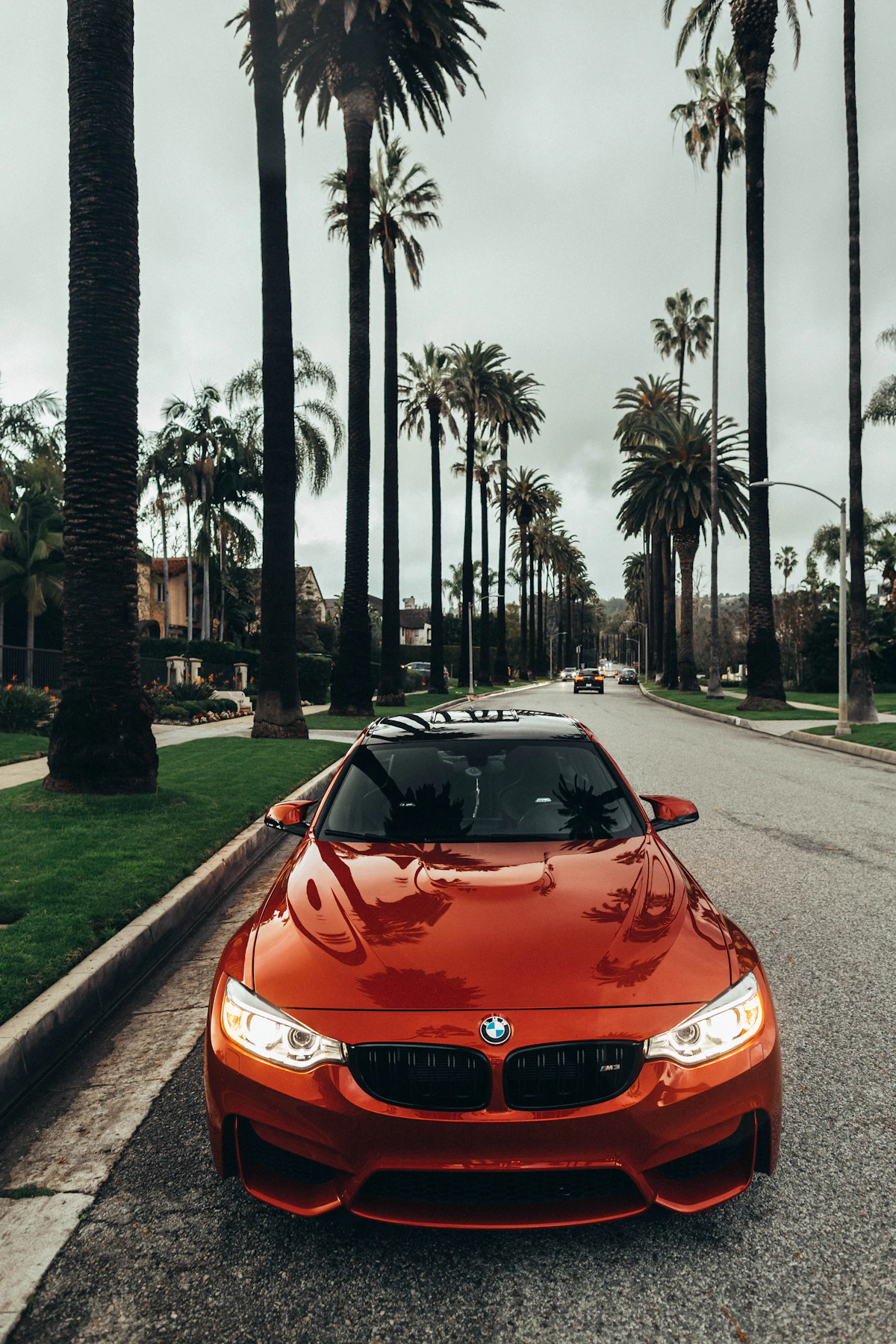
As we navigate the roads of 2026, vehicle lighting technology has evolved, but one constant remains: the critical importance of being seen and seeing clearly. For Australian drivers, confronting the harsh glare of a summer sun, the prolonged darkness of winter evenings, or the torrential rains of a tropical wet season makes functional lights non-negotiable. Yet, bulb maintenance is often an afterthought—a reactive task performed only after a failure. This comprehensive guide flips the script. We present a proactive, seasonal car bulb maintenance checklist tailored for Australia’s unique driving conditions. By integrating simple checks into your seasonal routine, you’ll enhance safety, ensure legal compliance, and embrace the smart lighting advancements of 2026, turning a potential hazard into a cornerstone of responsible driving.
Why Seasonal Bulb Checks Are Non-Negotiable in Australia
Australia’s vast climate zones dictate distinct driving challenges. The intense UV radiation of summer can degrade plastic lens covers and halogen filaments faster than in milder climates. Winter in southern states brings fog, frost, and early sunsets, demanding optimal low-beam and fog light performance. The northern wet season transforms roads into reflective surfaces where precise, non-glaring light is crucial. A bulb that works “well enough” in clear, dry weather can become a major liability in these conditions. Furthermore, with advanced driver-assistance systems (ADAS) like lane-keep assist and autonomous emergency braking now relying on clear camera views often mounted near lights, a dirty or misaligned headlight can indirectly impair these safety features. Proactive maintenance is your first line of defence.
The 2026 Australian Driver’s Car Bulb Maintenance Checklist
Perform this detailed check at the change of each season, or at minimum, bi-annually (before summer and before winter).
1. The Comprehensive Bulb Function Test
Method: Park your car on level ground facing a wall (like a garage door) at night or in low light. Have a helper walk around the vehicle as you systematically activate every light.
- Headlights (Low & High Beam): Check both. Note if light output appears dimmer or yellower than usual—a sign of impending failure in halogen bulbs.
- Daytime Running Lights (DRLs): Standard on all new cars since 2026 models. Ensure they illuminate automatically with the engine.
- Front & Rear Indicators: Check for correct speed and listen for the audible click. A hyper-flashing indicator often signals a blown bulb.
- Front & Rear Fog Lights: If fitted. Remember, rear fog lights (a single or double bright red light) are for use only in heavy rain, fog, or smoke.
- Brake Lights: Have your helper press the brake pedal firmly. Check all brake light elements (including the high-mounted third brake light).
- Tail Lights & Number Plate Lights: Essential for being seen from behind at night. A blown number plate light is a common defect notice.
- Reversing Lights: Engage reverse gear (with handbrake firmly on).
- Hazard Lights: Activate and walk a full circle around the car.

2. Lens and Housing Inspection
Clarity is key. Over time, Australian sun and road debris can cause:
- Clouding/Yellowing: Severely reduces light output. In 2026, professional restoration kits using UV-resistant sealants are highly effective.
- Cracks or Moisture Ingress: Check for condensation or water droplets inside the housing. This can short-circuit bulbs and modern LED drivers.
- Dirt and Grime: Clean lenses with a soft cloth and automotive-specific plastic cleaner. Avoid household glass cleaners which can damage coatings.
3. Headlight Alignment Check
Misaligned headlights blind oncoming drivers and reduce your own visibility.
Quick Check: On a flat surface facing a wall, measure the distance from the ground to the centre of your headlight. The top of the main beam cut-off on the wall should be slightly lower (approx. 1-2%) than this measurement. A significant misalignment requires professional correction, especially for cars with adaptive or matrix LED systems.
4. Wiring and Connector Health
With higher temperatures under the bonnet in modern, densely-packed engine bays, wiring suffers.
- With the bulb removed, inspect the plastic connector for melting, brittleness, or corrosion on the metal terminals.
- Ensure the connector clicks securely onto the bulb base.
Seasonal-Specific Priorities for Australian Conditions
Pre-Summer (October-November)
- Focus: UV protection and heat resilience.
- Action: Apply a UV-protectant sealant to plastic lenses. Check cooling fans on high-performance LED or HID assemblies are dust-free and functional. Ensure all lights are clean for maximum reflective efficiency during long, bright days.
Pre-Wet Season (Tropical North, November-December)
- Focus: Waterproofing and glare-free illumination.
- Action: Rigorously check for housing seals and condensation. Test front and rear fog lights. Ensure wipers are perfect, as clear lenses are useless in heavy rain if covered in film.

Pre-Winter (Southern States, May-June)
- Focus: Optimal output for darkness, fog, and frost.
- Action: This is your most critical check. Replace any marginally dim bulbs. Clean lenses inside and out. Verify alignment. Pack a kit with spare fuses and essential bulbs (especially for older halogen-based cars) for longer winter drives.
Embracing 2026 Lighting Technology: Upgrades & Smart Features
Maintenance in 2026 isn’t just about replacement; it’s about optimisation.
- LED Upgrade Paths: For cars with halogen reflectors, 2026-approved LED retrofit bulbs (with proper fan-less heatsinks and correct beam patterns) offer whiter light and longer life. Critical: Only use bulbs marked for “road use” and compliant with Australian Design Rules (ADRs).
- Smart Diagnostic Integration: Many 2026-model vehicles feature bulb-out warnings on the digital dashboard that specify the exact failed light. Trust these systems, but still perform physical checks.
- Adaptive Lighting: If your car has adaptive headlights, note any error messages. Calibration is a dealer or specialist task, but basic lens cleanliness is still your responsibility.
Conclusion: Light Your Way to Safer Journeys
In the diverse and often demanding Australian driving environment of 2026, your vehicle’s lights are far more than mere accessories; they are active safety systems. Integrating this seasonal bulb maintenance checklist into your routine transforms a reactive chore into a proactive safety strategy. It ensures you comply with the law, protect yourself and other road users, and get the most from both traditional and cutting-edge lighting technology. As the seasons change, let this checklist be your guide. A few minutes of inspection can illuminate thousands of kilometres of safe, confident driving. See clearly, be seen, and drive safely.
Disclaimer: This article provides general advice. Always consult your vehicle’s owner’s manual for specific instructions and safety warnings regarding bulb replacement and maintenance. For complex systems like adaptive LED or HID headlights, seek professional assistance.